
Russian Frigate Collides with Tanker Off British Coast; Crew Threatens to Shoot Fellow Sailor
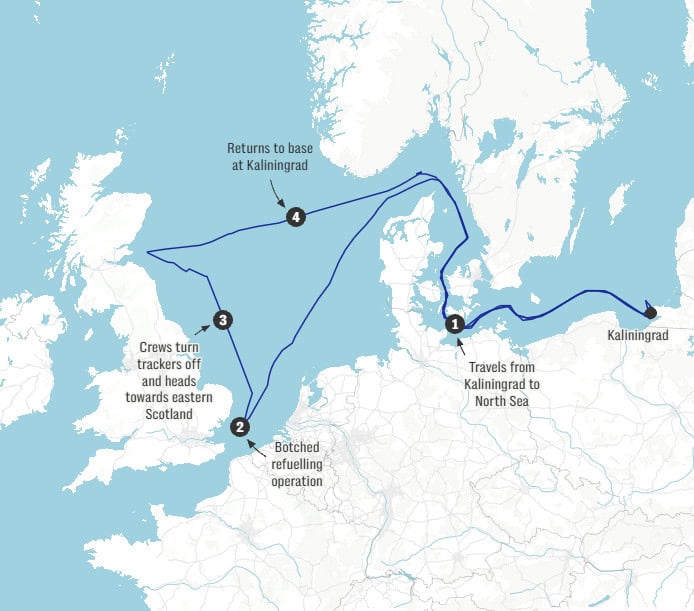
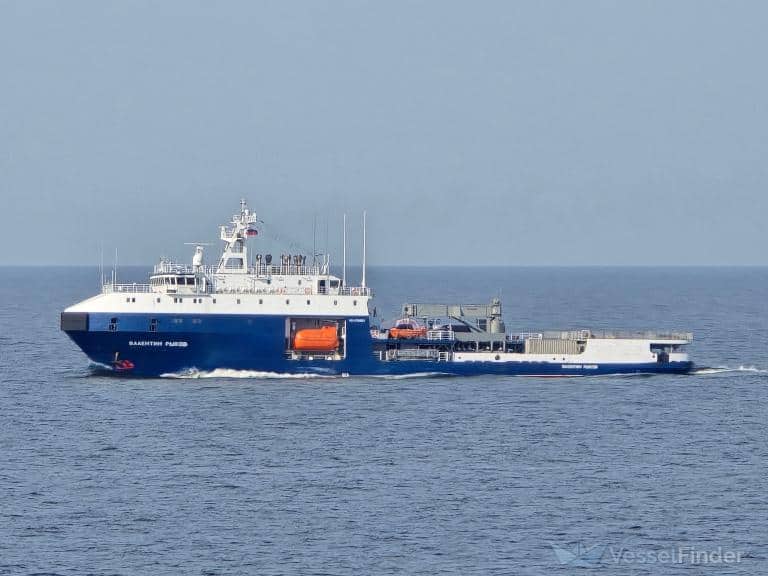
The Russian frigate (patrol ship) Neustrashimy collided with the tanker Valentin Rykov while attempting to refuel off the coast of Essex, England.
The Telegraph reported on this.
The collision occurred between October 21 and 23, 2026, amid poor weather conditions and rough seas.
During an unsuccessful attempt to moor alongside the tanker, the frigate’s crew caused the two vessels to collide. At the time, the Neustrashimy had enough fuel to remain at sea for approximately two more days.
Intercepted crew communications indicate that, during the refuelling operation, Russian sailors complained about the poor weather conditions. One crew member suggested taking the ship’s engineer to the helipad and shooting him in front of the entire crew.
The dispute was caused by problems with the paperwork, which delayed the refuelling operation because the engineer was unable to complete the necessary documentation.
Refuelling was performed using a method known as rafting, in which one vessel anchors, positions protective fenders along its side, and then moors alongside another vessel.
Eventually, the crews abandoned the operation, and both vessels switched off their Automatic Identification System (AIS) transponders before heading towards the east coast of Scotland.
There, in waters more sheltered from the adverse weather, the crews were able to complete the refuelling operation. The British patrol vessel HMS Tyne monitored both ships throughout the operation.
Militarnyi previously reported that the Royal Air Force (RAF) had deployed the Protector RG1 remotely piloted aircraft for the first time to conduct operational surveillance of Russian warships in British airspace.
In particular, between October 1 to 14, the Type 45 destroyer HMS Dauntless and the patrol vessel HMS Tyne monitored and escorted the Russian frigate Neustrashimy and merchant vessels transiting the English Channel.
In July, the Russian frigate Neustrashimy conducted naval gunfire exercises in international waters in the English Channel, approximately 74 km (46 miles) off the British coast.


