NATO Fighter Jets in the Baltics Authorized to Shoot Down Aerial Targets Under Updated Mission
NATO has agreed to transform its Baltic Air Policing mission from an airspace surveillance operation into a full-fledged air defense mission.
Lithuanian President Gitanas Nausėda announced this, according to Reuters.
The change will allow NATO fighter jets to respond more quickly and flexibly to aerial threats near the Alliance’s borders with Russia, including the authority to intercept and, if necessary, shoot down hostile airborne targets.
The decision to upgrade the long-standing mission was approved by NATO allies at the summit held in Ankara, Turkey.
Under the new mandate, allied fighter jets will have broader authority to respond to aerial threats, including aircraft or other airborne objects that could pose a danger to the Baltic states.

“The current air policing mission is designed for peacetime, with fighter jets responding to incidents by intercepting and escorting aircraft. In this way, we demonstrate that we are paying attention to such incidents. It is a form of deterrence,” Nausėda stated.
Estonian Foreign Minister Margus Tsahkna said the updated mission would provide “greater flexibility and a faster response to aerial threats.”
“Essentially, the change means that the Supreme Allied Commander Europe (SACEUR) will be granted broader authority, while the rules of engagement for pilots will also be clarified. This will allow for greater flexibility and a faster response,” Estonian Defense Minister Hanno Pevkur said.
One of the key changes is that political-level consultations will no longer be required before shooting down a drone that enters NATO airspace.
Another change concerns Ämari Air Base in Estonia, which will officially become a fully operational NATO air base.
Meanwhile, the number of fighter jets permanently stationed at the base is not expected to increase significantly in the coming years unless a rapid reinforcement becomes necessary.
The Baltic Air Policing mission has been in place since 2004, when Lithuania, Latvia, and Estonia joined NATO. As the Baltic states do not operate their own fighter aircraft, NATO allies rotate fighter jet deployments to Šiauliai Air Base in Lithuania and Ämari Air Base in Estonia.
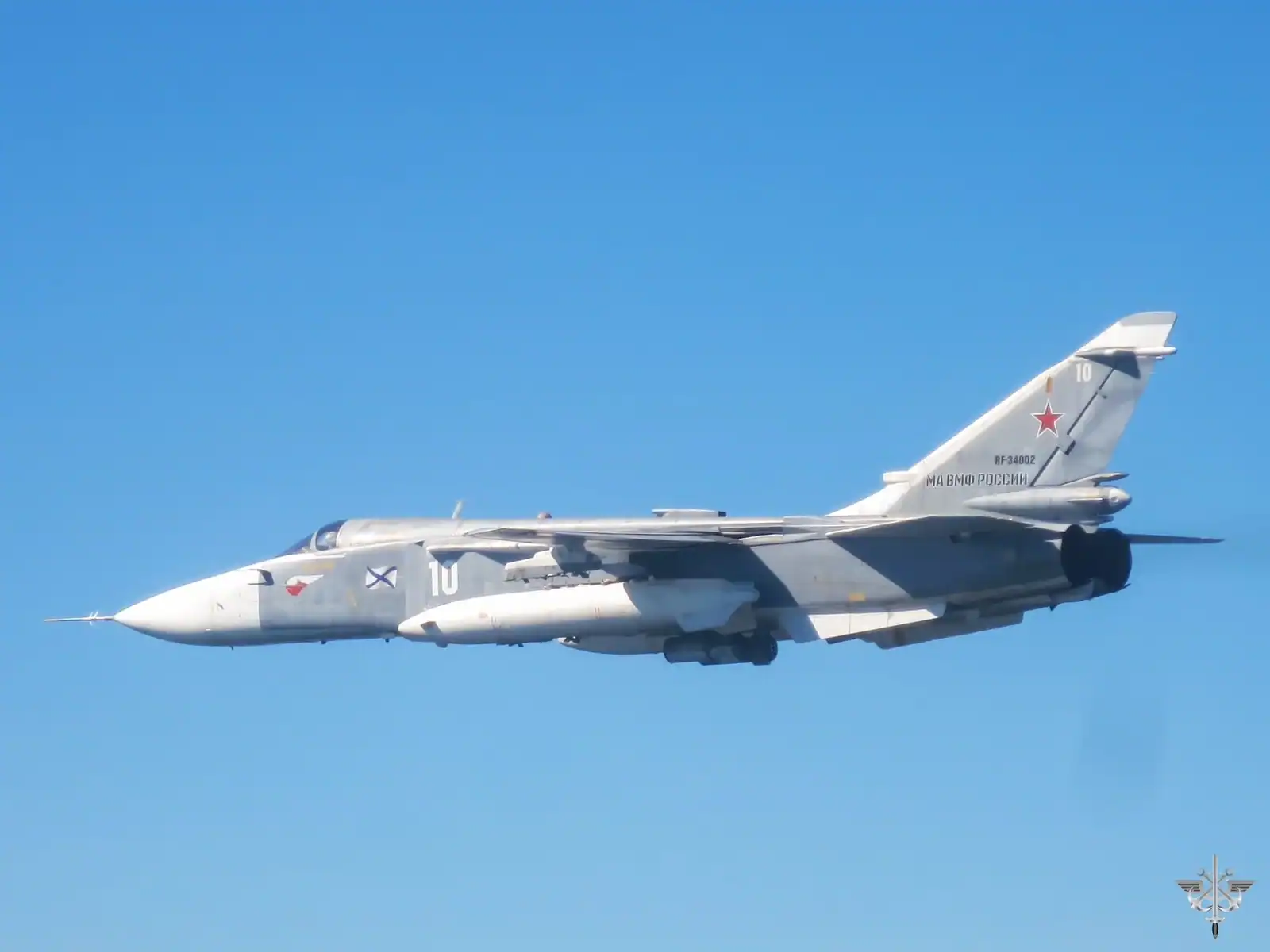
NATO fighter jets are regularly scrambled to identify and escort Russian military aircraft approaching Allied airspace or flying with their transponders switched off, without filed flight plans or communication with air traffic controllers.
Strengthening the Baltic region’s air defenses is expected to enhance the region’s security by enabling NATO to respond more quickly and effectively to potential aerial threats.