UK to Buy U.S. PrSM Missiles While Awaiting Its Own Cheaper Ballistic Missile
The United Kingdom is planning to acquire U.S.-made Precision Strike Missiles (PrSM) by joining the American missile program.
According to The Times, Dan Jarvis, the UK’s new Defence Minister, approved the decision following talks with U.S. Defense Secretary Pete Hegseth. To enable the purchase, Jarvis revised the country’s defense investment plan.
£190 million from the additional £1.5 billion allocated by the government for defense will be directed toward procuring PrSM missiles.
Subject to approval by the United States and Australia, which is also a development partner in the program, the British Army could receive its first batches of the missiles as early as 2027.
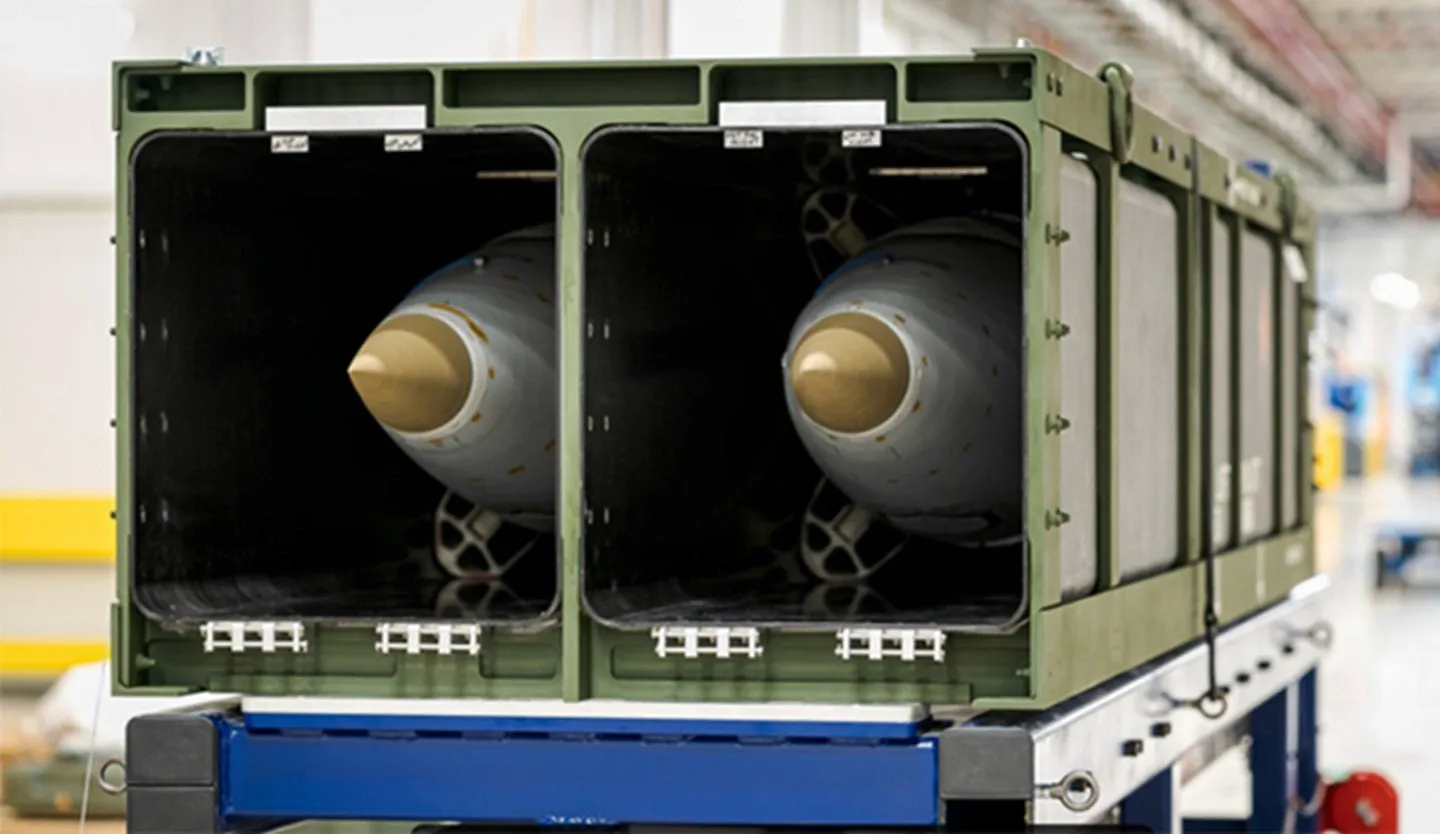
The British military aims to acquire these missiles to expand its long-range strike capabilities against ground targets. Concerns over the risk of a potential Russian war against Europe by 2030 justify the urgent procurement.
There are also concerns that continued investment in less technologically advanced British missile development programs could leave the United Kingdom without the capabilities it needs.
The Precision Strike Missile (PrSM) is a family of long-range ballistic missiles with a range of more than 500 kilometers, developed by Lockheed Martin to replace the ATACMS missile in the U.S. Army’s arsenal.
The missiles are fully compatible with the British Army’s upgraded M270A2 MLRS launchers already in service. Each PrSM missile costs more than £1 million.
The publication reported that three previous defense secretaries, including Ben Wallace and John Healey, consistently rejected the Army’s requests to procure the missiles, insisting instead on purchasing British-made systems to reduce dependence on the United States.

According to analysts at the Royal United Services Institute (RUSI), there are currently no European equivalents to the PrSM program in terms of readiness. The Ministry of Defence said that participation in the project would create jobs in the United Kingdom.
Meanwhile, London is not abandoning the development of its own strike capabilities, including tactical ballistic missiles. The United Kingdom, together with Germany, also plans to develop long-range missiles capable of striking targets in Russia, although work on the program has been progressing slowly.