
IRGC Imposes Toll on Strait of Hormuz Within Missile Coverage Zone
The Islamic Revolutionary Guard Corps (IRGC) is now allowing ships to pass through the Strait of Hormuz only if they pay a fee and stay within areas covered by its weapons systems.
Analyst Shanaka Anselm Perera said the IRGC is intimidating civilian vessels by deploying naval mines and other threats along different parts of the route.
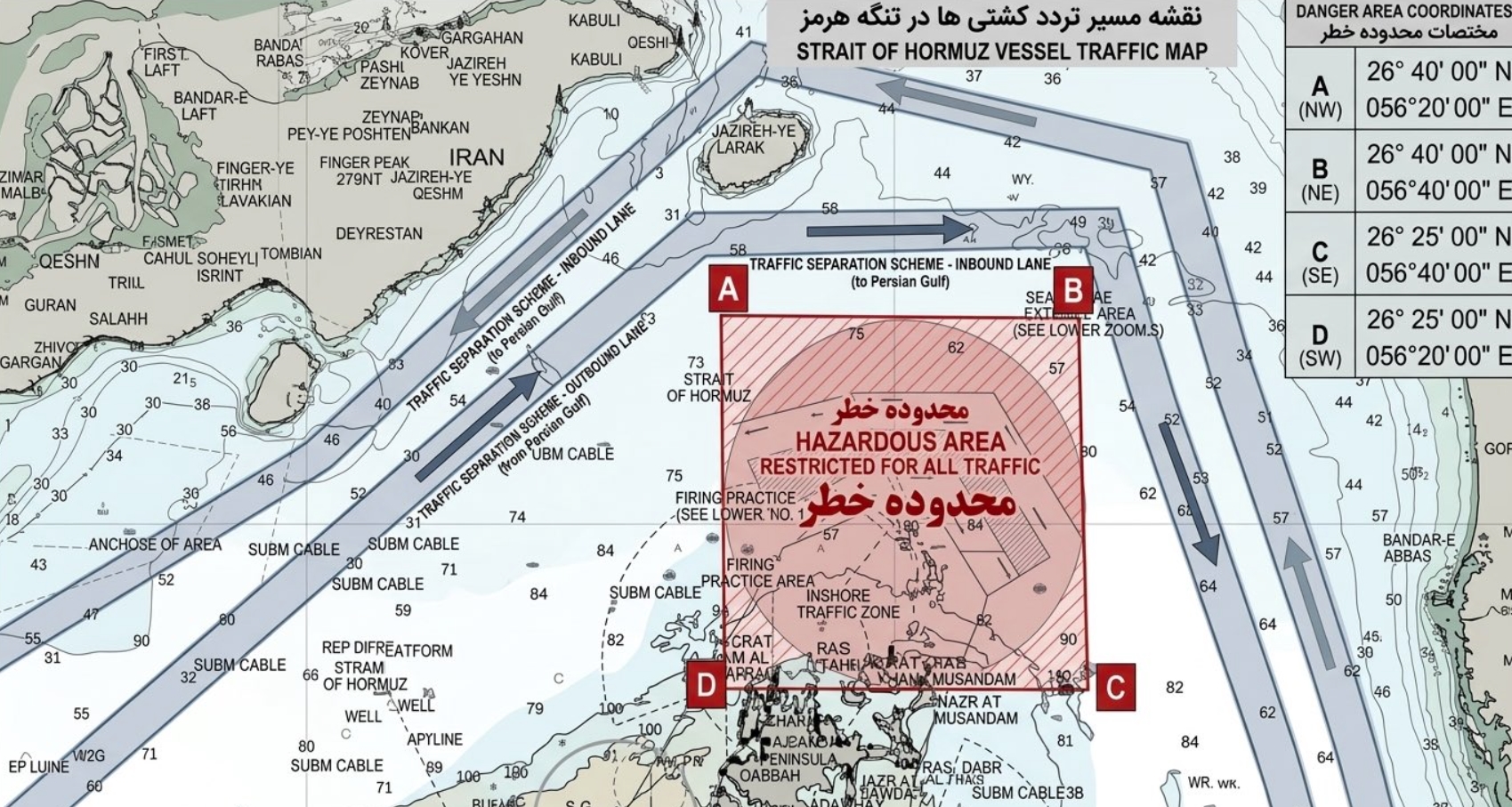
Just hours after a ceasefire was supposed to reopen the Strait of Hormuz, the IRGC issued an official directive requiring all ships to travel through two designated corridors near Larak Island to avoid the mines.
Inbound traffic is directed north of Larak Island, while outbound traffic is routed to the south. All vessels must coordinate with the IRGC before entering.
The routes funnel each ship through a narrow channel in Iran’s territorial waters, past Larak Island, where the IRGC has already set up a payment collection point. There, patrol boats escort vessels one by one after verifying access codes that have been paid for in yuan or cryptocurrency.
The process now works as follows:
- A vessel operator contacts intermediaries linked to the IRGC and submits its details.
- The IRGC command in Hormozgan reviews compliance with sanctions and assigns a “friendliness” rating.
- Transit fees are set at roughly one dollar per barrel for oil tankers and are paid in yuan or via a cryptocurrency exchange.
If approved, the vessel receives an access code and routing instructions through the Larak corridors.
Fifteen to twenty vessels passed through the procedure in the first 24 hours of the ceasefire. The pre-war average was 138 ships per day.
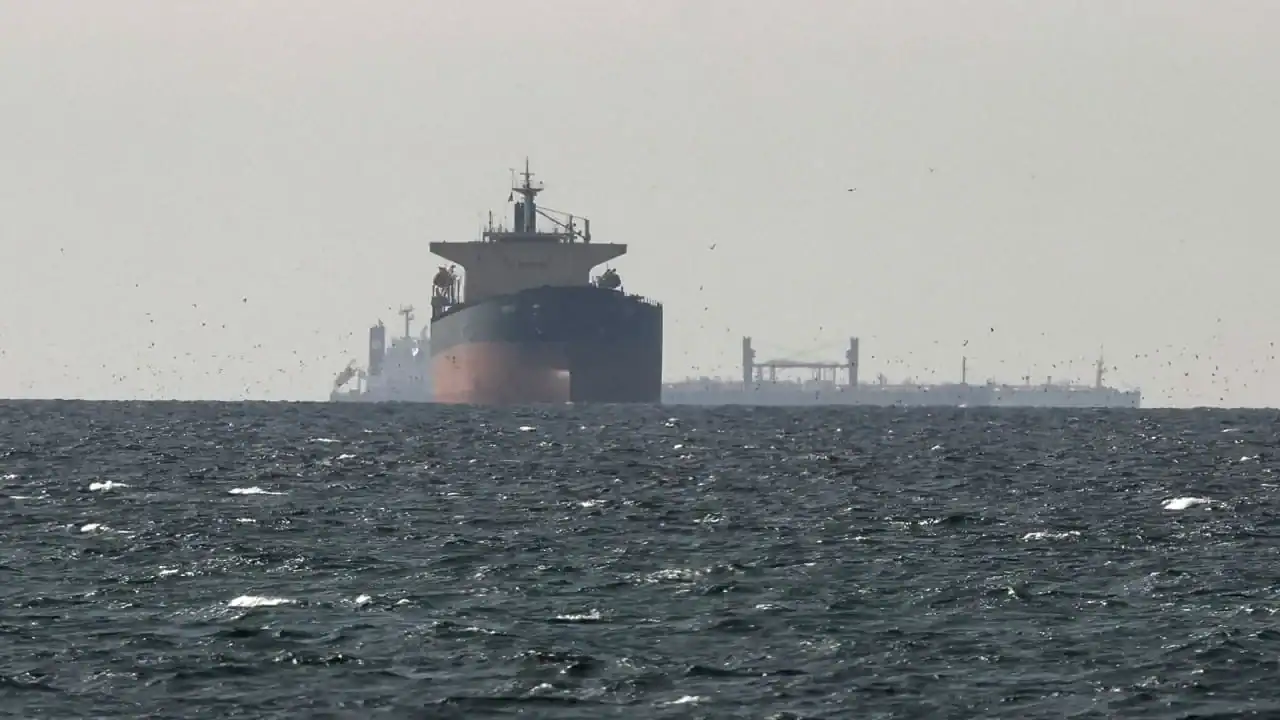
Around 400 vessels are reportedly waiting outside the strait. Gulf countries have declared the fee illegal and are refusing to pay.
Japan’s Prime Minister called the strait an international corridor. Oman’s transport minister said that international agreements prohibit charging such fees.
“Clearing the mines will take months. Alternative routes will become permanent. Transit fees will become the norm. And by the time Islamabad completes its assessment, the infrastructure of a post-dollar energy chokepoint will have been stress-tested, generating revenue and becoming operationally entrenched within two weeks under the protection of a ceasefire that was meant to dismantle it,” Shanaka Anselm Perera shared.
Meanwhile, U.S. President Donald Trump threatened Iran with new strikes if Tehran fails to comply with the peace agreement.


