
Hungary Offers Iran Assistance After Hezbollah Pager Explosions
The Hungarian government offered assistance to Iran immediately after the September 2024 operation targeting Hezbollah militants, which involved explosive-laden pagers.
This is based on a transcript of a government phone call from September 30, 2024, obtained by Western intelligence and reviewed by The Washington Post.
Hungarian officials said they were ready to share intelligence and the findings of their internal investigation with Iran, which is a key backer of the Lebanese group.
Péter Szijjártó, Hungary’s Foreign Minister, stressed that Budapest had absolutely no physical involvement in the production of the devices. He assured the Iranian side that Hungary’s national security services had already established contact with Iran’s security agencies to exchange documentation and investigation findings.
Szijjártó confirmed his intention to provide Tehran with every possible copy of documents related to the incident. He also offered further assistance for any additional requests or for direct contact between the ministries of the two countries.
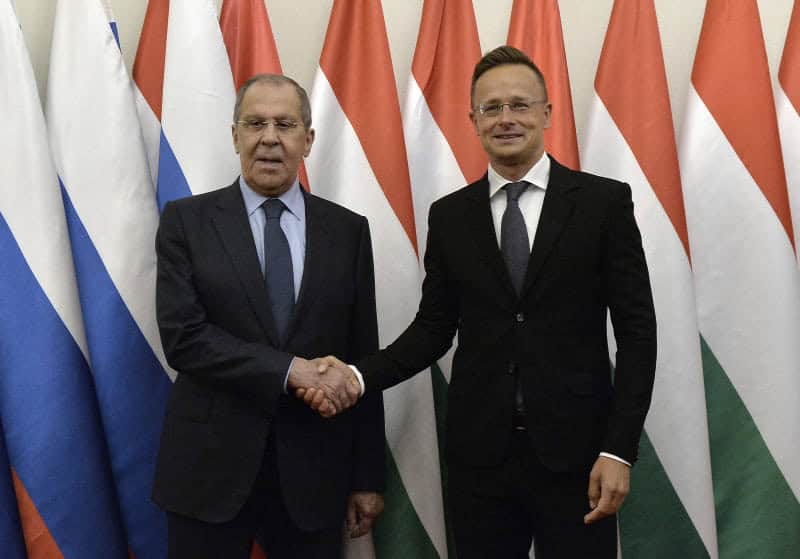
Hungary insists that the explosive devices were never on its territory and that no local company was involved in their production. According to the official position, a Budapest-based firm acted only as a trading intermediary and had no manufacturing facilities of its own.
Such willingness to cooperate with Iran contradicts the public policy of Viktor Orbán, who has supported Israel on the international stage. Hungary has often sided with Tel Aviv at the United Nations Security Council and has stated it would reject the jurisdiction of the International Criminal Court during a visit by Benjamin Netanyahu.
The leak about contacts with Tehran came amid a visit to Budapest by U.S. Vice President J. D. Vance, who was supporting Viktor Orbán’s election campaign. The administration of Donald Trump backs the Hungarian prime minister, even though his government maintains ties with Washington’s adversaries.
Elections in Hungary are scheduled for April 12, where the incumbent prime minister is losing ground to his rival, Péter Magyar. Amid declining ratings, Orbán has accused Ukraine and the European Union of attempting to interfere in the country’s internal electoral process.
Meanwhile, the Hungarian government is blocking the European Union’s allocation of a critically important €90 billion loan for Ukraine. These funds are intended to ensure the country can continue its defense against Russia.
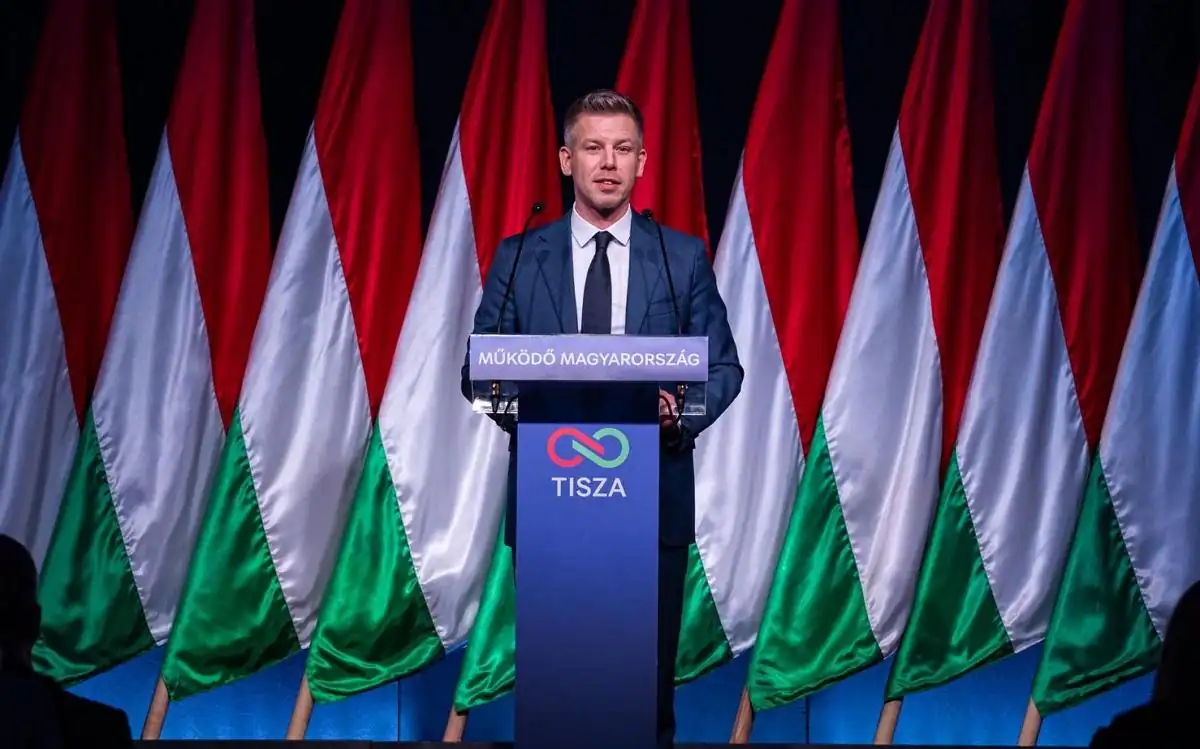
Péter Szijjártó, Hungary’s foreign minister, is also suspected of systematically coordinating actions with Sergey Lavrov, his Russian counterpart.
Previously, journalists reported that Szijjártó allegedly provided “operational reports” to the Kremlin during closed EU meetings, as well as efforts to push for the lifting of sanctions on Russian banks.


