
Ukraine Expands Strikes on Russian Military Logistics 150 km Behind Front Line
Ukraine has expanded strikes against Russian military logistics in southern Ukraine, reaching targets about 150 km from the front line.
According to OSINT analyst Clément Molin, an updated strike map shows numerous confirmed hits, including 15 geolocated strikes along the Rostov–Crimea highway and 30 more along the Mariupol–Donetsk route and around the Donetsk ring road.
According to Clément Molin, Ukrainian drone units, including the Birds of Magyar and other strike brigades, are intensifying attacks on Russian fuel convoys, military vehicles, and logistics hubs far behind the front line.
These strikes are reportedly causing major supply and transport problems for Russian forces, particularly in the Zaporizhzhia, Kherson, and Donetsk regions.
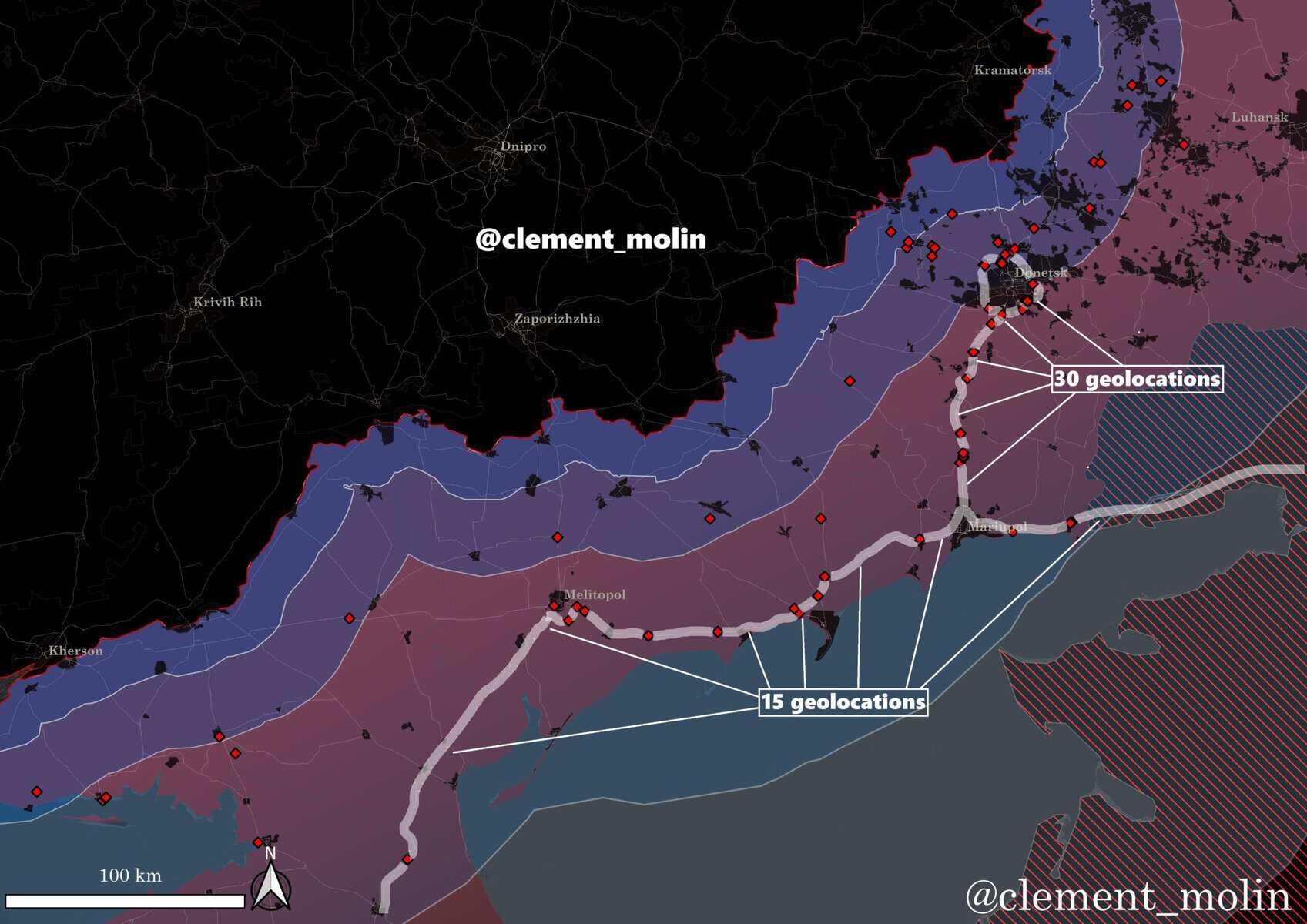
In recent months, the Ukrainian Defense Forces have increasingly disrupted Russian logistics. Despite the long distances involved, they have managed to target key highways linking Russia with occupied Crimea.
The attacks reportedly prompted the head of the Russian-installed occupation administration in the Kherson region, collaborator Vladimir Saldo, to restrict truck traffic from occupied parts of the Kherson region to Crimea along the R-280 highway.
However, the restrictions will not apply to military transport trucks.
The impact of the strikes is also being felt in Crimea, where the occupation authorities in Sevastopol have introduced fuel purchase limits of up to 20 liters per customer at gas stations operated by TES – the largest fuel station network in Crimea, which controls around half of the local market.
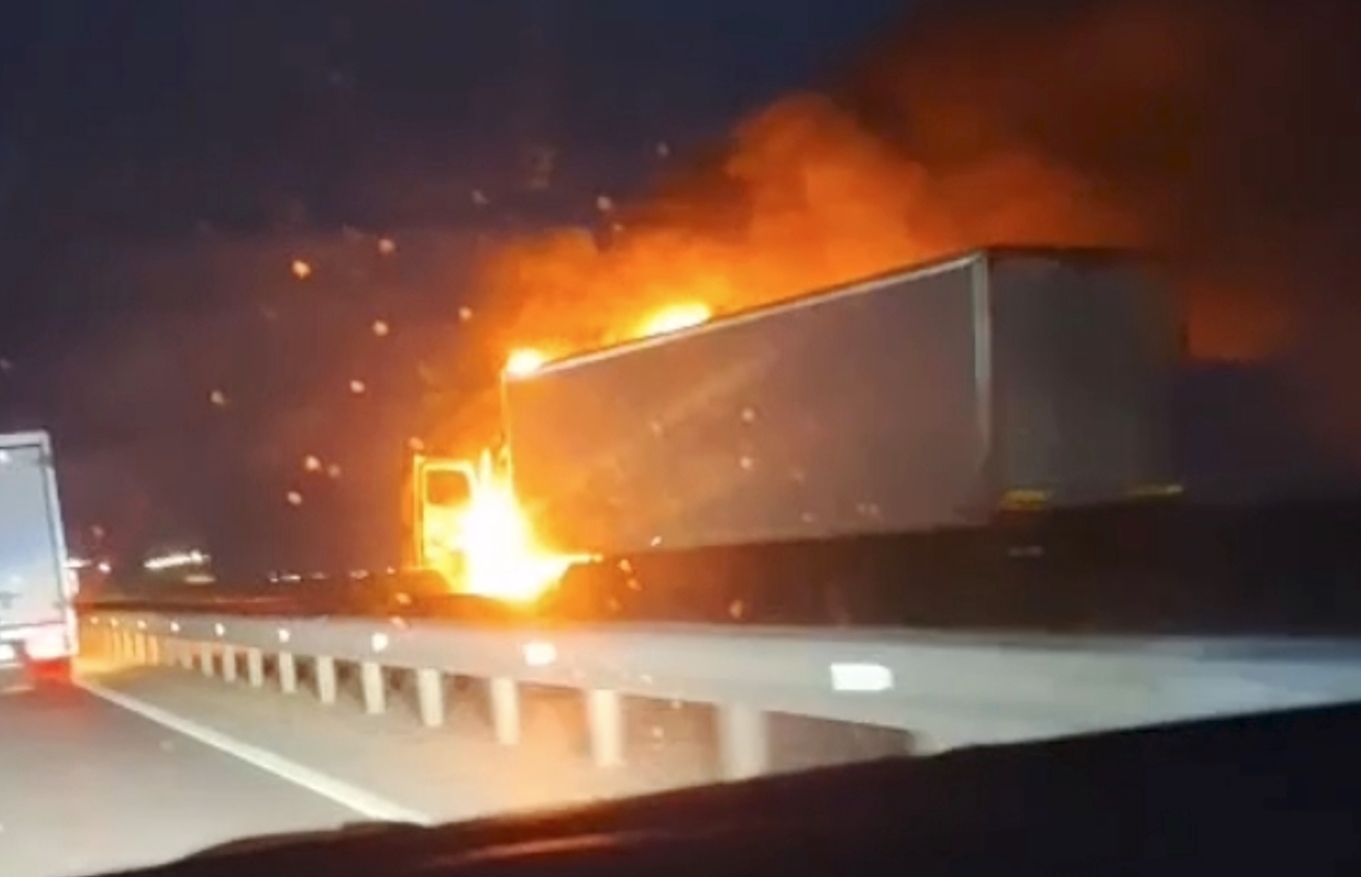
Militarnyi previously reported that the 475th Assault Regiment CODE 9.2 had deployed a previously unknown medium-range strike drone with autonomous targeting features against Russian logistics targets.
In this wave of attacks, the regiment reportedly hit an unidentified civilian-style vehicle, two Bukhanka vans, and a cargo truck.
All of the targeted vehicles were equipped with various electronic warfare (EW) systems, suggesting the drone was able to operate despite Russian countermeasures.


